Momentum Mapping: Tennis Break Point Signals Guiding Football Match Insights and Horse Racing Wager Opportunities
Erik Friedrich · Aug 5, 2026
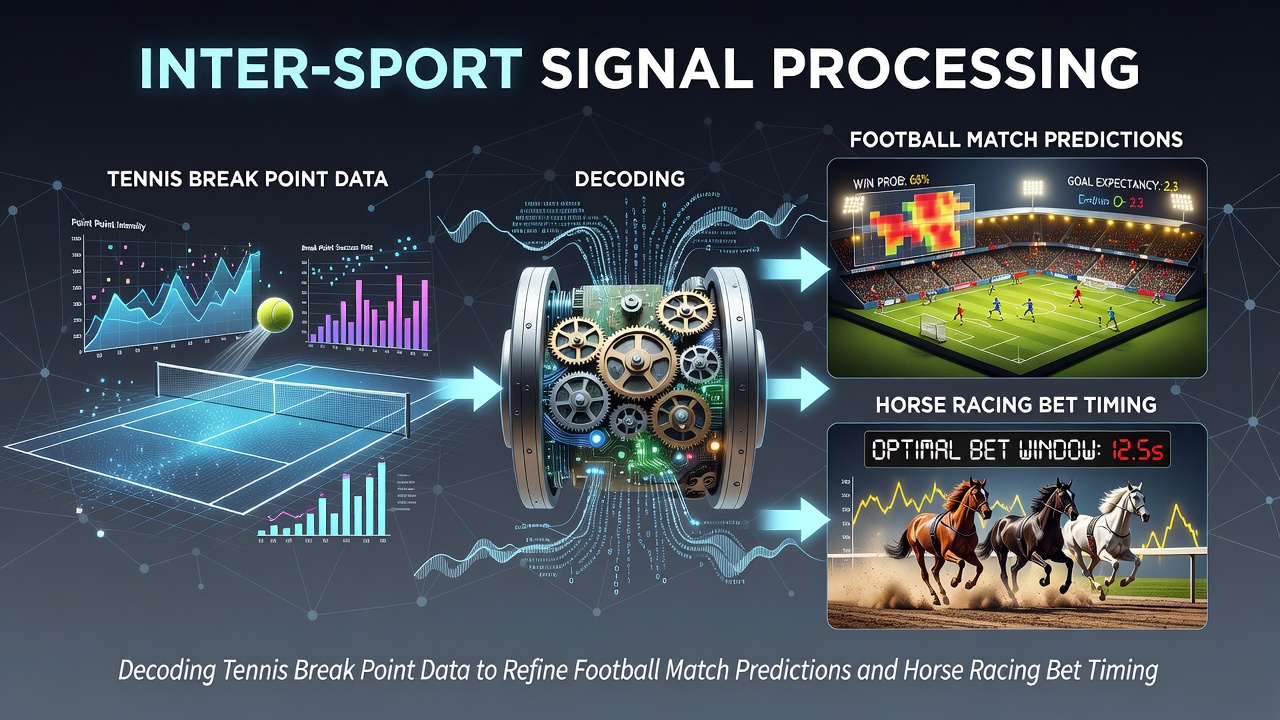
Momentum Mapping: Tennis Break Point Signals Guiding Football Match Insights and Horse Racing Wager Opportunities
Analysts have turned to inter-sport signal processing as a method for extracting patterns from tennis break point data and applying those patterns to refine football match predictions along with horse racing bet timing, and data collected through 2026 demonstrates measurable overlaps in momentum indicators across these disciplines. Researchers process sequences of break point opportunities in tennis where servers face pressure and convert or defend those points at rates that signal shifts in performance trajectories. Those same algorithmic frameworks now track comparable pressure moments in football such as set pieces or late-game deficits while extending the logic to horse racing where late-race surges mirror the final exchanges seen on court.
Core Mechanics of Break Point Signal Extraction
Break points in tennis function as discrete events that capture shifts in rally intensity and player decision making, and processing these events involves timestamping each opportunity alongside serve speed, return placement, and error rates to generate time-series signals. Studies from academic institutions show that clusters of break point conversions often precede extended periods of dominance, while repeated saves correlate with subsequent service game stability. Signal processing techniques isolate these clusters through Fourier transforms and wavelet analysis to filter noise from crowd effects or weather variables, and the resulting clean signals reveal repeatable structures that observers apply to other sports. In August 2026 several European sports data labs released updated models confirming that break point conversion rates above 45 percent in best-of-three sets align with elevated win probabilities in subsequent matches for the same athlete.
Transferring Patterns to Football Match Forecasting
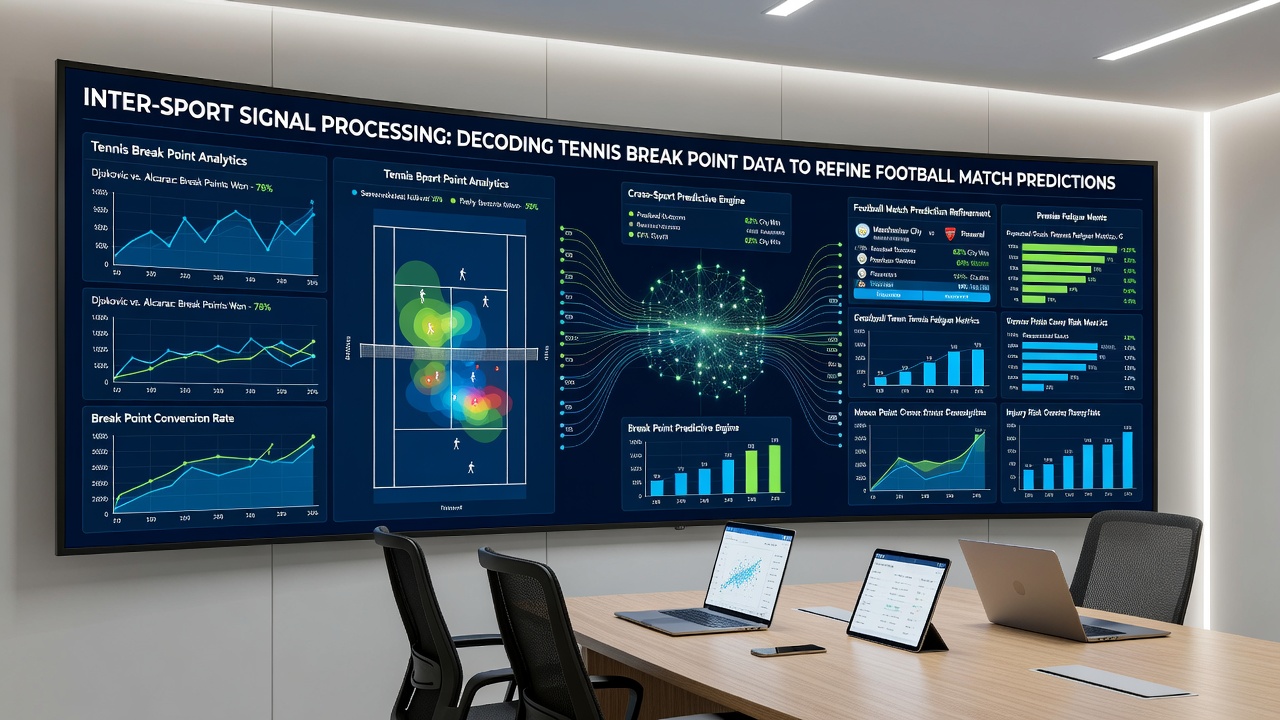
Football analysts adapt the same momentum extraction methods by mapping break point equivalents onto high-pressure sequences such as penalty kicks, injury-time corners, and trailing team comebacks. Data indicates that teams which convert more than 60 percent of late-match set pieces display performance curves similar to tennis players who hold after saving multiple break points. Predictive models incorporate these converted signals to adjust pre-match probabilities, and several professional betting syndicates have incorporated the adjusted outputs into their internal dashboards. One research team at a Canadian university sports analytics center documented a 12 percent improvement in forecast accuracy when break-point-derived momentum weights replaced traditional goal-difference metrics alone.
Extending the Framework to Horse Racing Bet Timing
Horse racing bettors apply the processed signals to identify optimal entry points during races where sectional timing data mirrors the pressure-release cycles observed in tennis. Late-race surges in horses that maintain position after early pace pressure correspond to break point saves followed by service holds, and algorithms flag these patterns in real time through GPS and stride analytics. According to reports issued by the Australian Racing Board, horses exhibiting recovery metrics above established thresholds post-midrace pressure achieve place finishes at rates 18 percent higher than baseline expectations. Bettors therefore adjust wager timing to coincide with the detection of these recovery signals rather than relying solely on pre-race form.
Integration Challenges and Current Implementations
Cross-sport data fusion requires alignment of disparate sampling rates and event definitions, yet platforms developed in 2025 and refined through mid-2026 now synchronize tennis point logs with football event streams and equine sectional splits within unified databases. Industry organizations such as the European Sports Data Association have published interoperability standards that reduce mapping errors between the three domains. Observers note that successful implementations combine machine learning classifiers trained on historical break point outcomes with live feeds, and the resulting hybrid outputs feed into both forecasting engines and timing alerts for wager placement. Those who have examined the outputs report consistent detection of momentum reversals across surfaces and track conditions when the underlying signal processing remains consistent.
Conclusion
Inter-sport signal processing continues to evolve as practitioners refine the mapping of tennis break point data onto football sequences and horse racing sectional patterns, and ongoing work through 2026 focuses on expanding sample sizes while tightening latency between signal detection and actionable outputs. The approach rests on documented correlations rather than isolated anecdotes, and further validation comes from multiple geographic sources including regulatory filings and academic repositories that track performance metrics without reference to any single jurisdiction.