Linking Bonus Incentives to Live Multi-Sport Positions Through Advanced Resource Allocation Frameworks
Elena Koch · May 30, 2026

Linking Bonus Incentives to Live Multi-Sport Positions Through Advanced Resource Allocation Frameworks
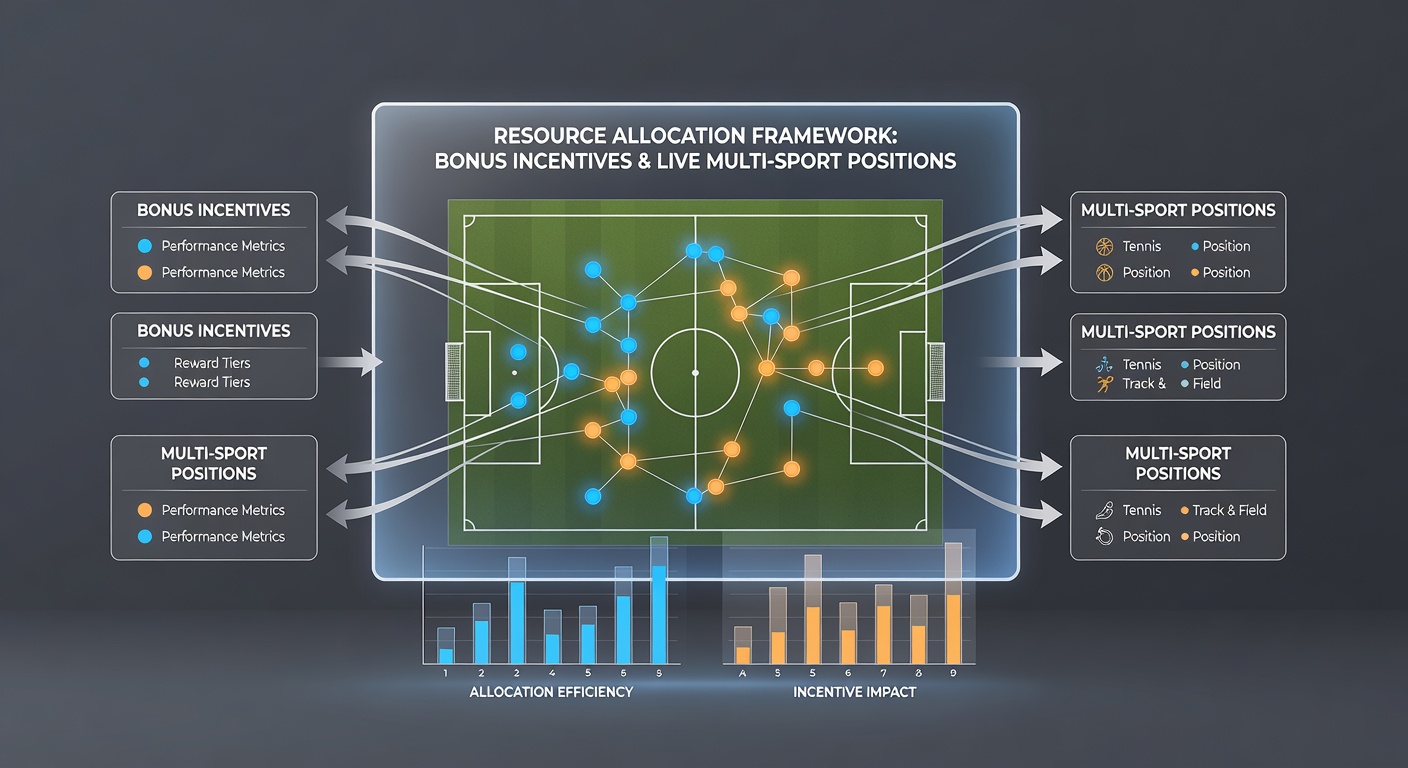
Resource allocation frameworks now tie bonus incentives directly to live multi-sport positions across football, tennis, and racing events as operators seek to optimize capital deployment while maintaining competitive edges in real-time markets. These models distribute available funds among active wagers based on performance metrics that update continuously during matches and races, and they adjust incentive payouts when certain thresholds get met in each sport.
Core Components of Allocation Frameworks
Analysts at major betting platforms apply algorithms that evaluate position value in football through metrics such as expected goals and possession shifts, while tennis frameworks track point-by-point momentum and serve efficiency, and racing systems monitor pace fractions along with track conditions. Data from industry reports shows these calculations occur in milliseconds so that bonus pools expand or contract according to live outcomes rather than fixed schedules.
Observers note that integration across the three sports requires unified data pipelines because football matches last ninety minutes plus stoppage time, tennis sets can extend for hours, and racing events unfold in minutes. Frameworks therefore prioritize liquidity reserves that cover simultaneous positions without forcing early exits from any single event.
Football Applications and Position Management
In football, resource allocation often centers on in-play corners, cards, and goal lines where bonus multipliers activate once a team exceeds projected set-piece totals. Operators allocate larger incentive shares to positions that demonstrate statistical overperformance relative to pre-match models, and they reduce exposure when defensive patterns stabilize. Studies from academic institutions including those published through the University of Nevada Gaming Research Center indicate that such dynamic scaling improves retention of active accounts by aligning rewards with sustained engagement across match phases.
Tennis and Real-Time Adjustments
Tennis frameworks emphasize live set and game handicaps because momentum swings occur rapidly after breaks of serve. Bonus incentives link to allocation decisions that increase stakes on underdog positions when favorite fatigue indicators appear in rally length data, while racing overlays add complexity by factoring equine recovery rates between sprints. These cross-sport linkages allow operators to shift capital from one market to another when live signals align across events.
Racing Event Integration
Racing operators embed pace analytics into allocation engines so that bonus triggers activate on late surges or track biases that favor certain running styles. European Gaming and Betting Association publications describe how platforms combine these signals with football and tennis feeds to maintain balanced books even when multiple high-value positions develop simultaneously during evening race cards and concurrent tennis tournaments.
Implementation Timeline Through 2026
Platform upgrades scheduled for rollout beginning in May 2026 will expand these frameworks to include machine-learning layers that predict cross-sport correlations more accurately. Regulatory filings in several jurisdictions outline requirements for transparent reporting of incentive calculations, and testing phases have already demonstrated reduced variance in bonus distribution across live football, tennis, and racing portfolios.
Conclusion
Resource allocation frameworks that connect bonus incentives to live positions continue to evolve as operators refine their ability to manage exposure across football, tennis, and racing simultaneously. The models rely on continuous data feeds and threshold-based adjustments that keep capital deployment responsive to unfolding events in each sport.