Free Bet Integration in Endurance Accumulators Spanning Football Momentum and Horse Pace Analysis
Erik Friedrich · Aug 10, 2026
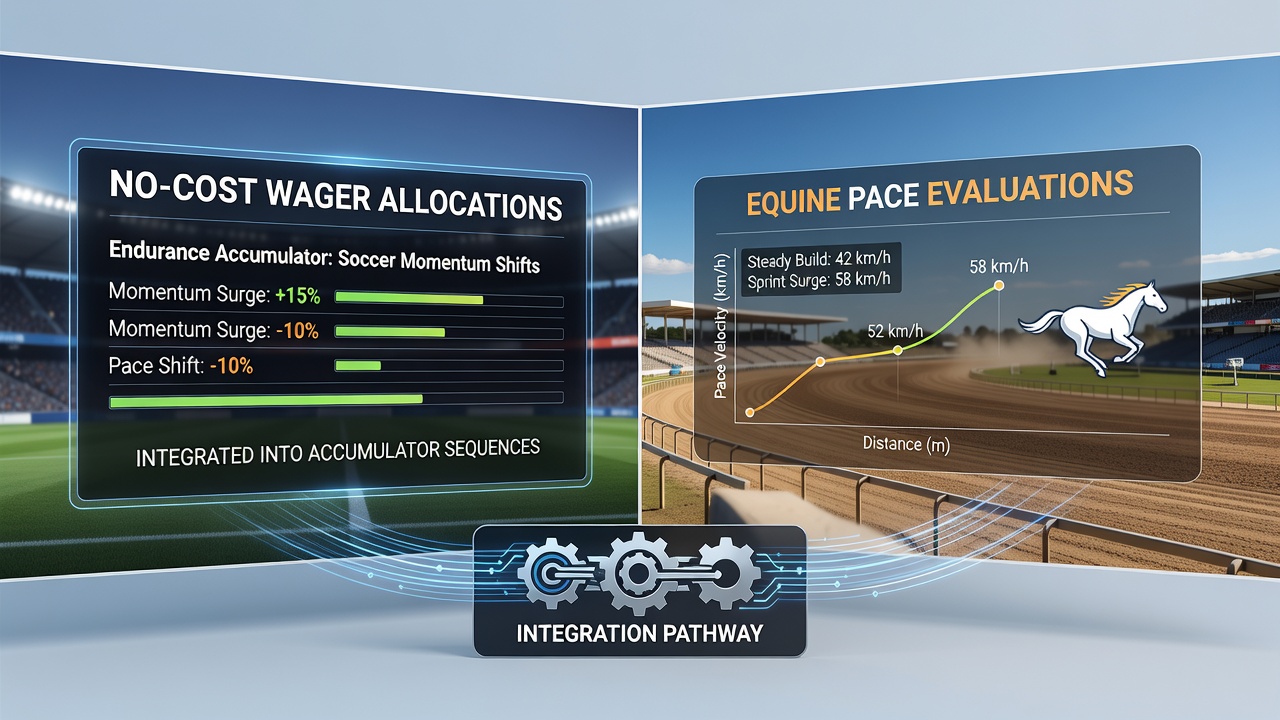
Free Bet Integration in Endurance Accumulators Spanning Football Momentum and Horse Pace Analysis
Operators across multiple jurisdictions now allow punters to apply no-cost wager allocations directly into extended accumulator sequences that prioritize endurance elements such as sustained team pressing phases in soccer adn sustained sectional times in equine events, and these mechanisms have expanded since the start of the 2026 flat racing calendar. Data from industry tracking services indicate that sequences built around momentum retention in football matches and pace consistency in thoroughbred races attract higher volumes of complimentary stake redemptions during the summer months, with August 2026 figures showing a measurable uptick in such combined wagers across European and Australasian platforms.
Analysts at research institutions have documented how these allocations function within chains that require consecutive correct outcomes, where each leg draws from either shifting possession dominance patterns in soccer or maintained velocity profiles in horse racing. The structure permits the initial stake to remain protected while subsequent legs utilize the allocated credit, which in turn extends the overall sequence length without additional capital outlay from the account holder.
Mechanics of Allocation Within Multi-Sport Chains
Platforms process these complimentary units by tagging them to specific accumulator templates, and the system verifies that each leg meets predefined endurance thresholds before the allocation carries forward. In soccer legs this often involves monitoring metrics such as distance covered in high-intensity phases during the final twenty minutes, whereas equine legs reference average speed maintained over the closing furlongs. Observers note that integration occurs seamlessly when the software cross-references live data feeds from both sports within the same betting slip, allowing one free allocation to service multiple legs provided the endurance criteria remain satisfied.
Studies conducted by academic groups specializing in sports analytics reveal that sequences spanning at least five legs show higher completion rates when free allocations cover the middle positions rather than the opening or closing legs. This positioning reduces exposure during volatile early segments and preserves the allocation for later stages where momentum shifts become more predictable through cumulative data.
Soccer Momentum Components in Endurance Sequences
Football matches supply momentum data through variables including progressive passes completed after the sixtieth minute and defensive line height maintained under sustained pressure. When these indicators align across multiple fixtures scheduled on the same day, operators permit the free allocation to apply across those legs without resetting the accumulator total. Records from major European leagues during the 2025-2026 season demonstrate that teams exhibiting consistent second-half pressing intensity contribute to longer accumulator runs when paired with horse racing legs that emphasize similar stamina retention.
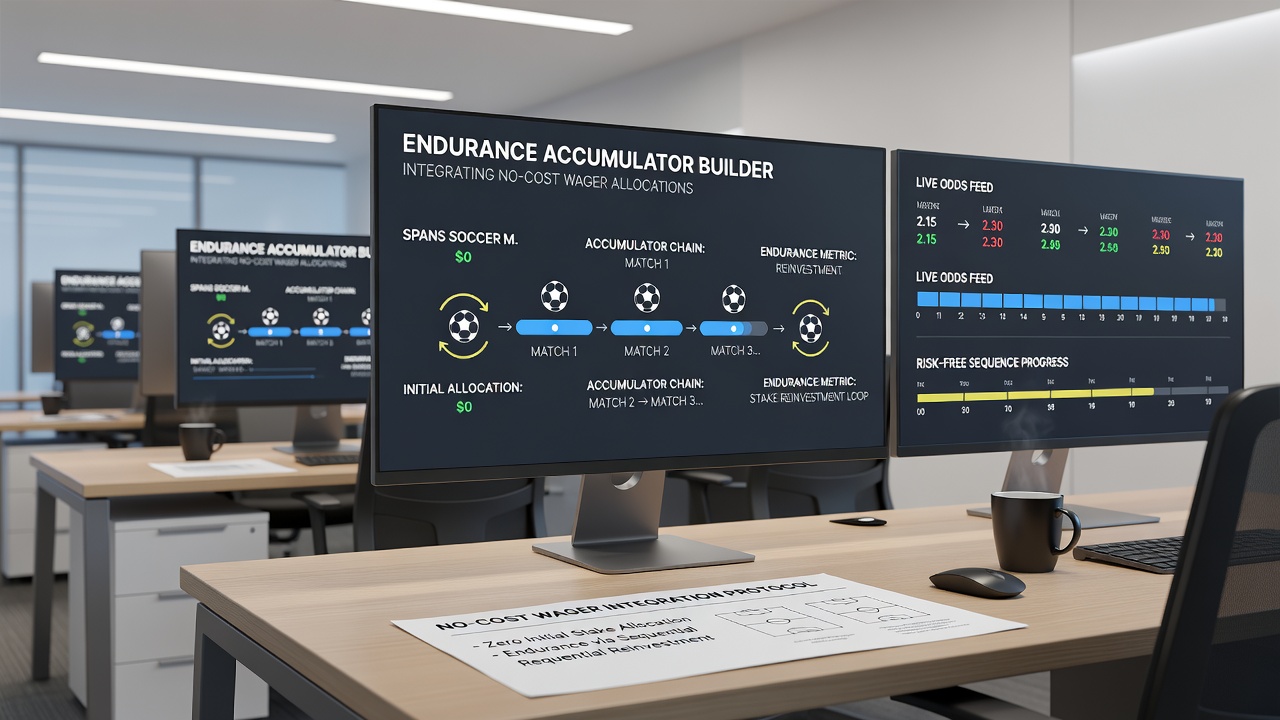
Cross-referencing occurs through centralized data hubs that aggregate real-time inputs from both sports, and this allows the allocation to remain active as long as the selected outcomes continue to meet endurance benchmarks. Reports compiled by the European Gaming and Betting Association indicate that such combined sequences have grown steadily in volume throughout 2026, particularly when August fixtures coincide with late-summer racing festivals that feature longer-distance contests.
Equine Pace Evaluation Integration
Horse racing legs incorporate sectional timing data that measures sustained speed over the final three furlongs, and these figures feed directly into the accumulator engine when a free allocation is attached. Systems compare historical pace profiles against current track conditions, and the allocation carries forward only when the selected runner maintains output within an established tolerance range. Research from Australian universities examining thoroughbred performance patterns has shown that sequences incorporating both soccer momentum metrics and equine sectional consistency achieve extended survival rates compared with single-sport accumulators.
Operators in several jurisdictions have adjusted their interfaces to display combined endurance scores that merge football pressing data with horse racing velocity averages, thereby simplifying the placement process for users applying complimentary stakes. This display format reduces manual verification steps and supports longer chains that span afternoon soccer fixtures and evening race meetings.
Operational Considerations Across Jurisdictions
Regulatory frameworks in North America and parts of Asia require clear labeling of free allocations within any multi-leg wager, ensuring participants understand that the credit applies only after the initial stake clears the first endurance threshold. Platforms comply by embedding explanatory text at the point of selection, and this practice has become standard ahead of the 2026-2027 season across multiple markets. Data compiled by the Canadian Gaming Association highlights that transparent allocation labeling correlates with higher sequence completion volumes during periods when soccer leagues overlap with major racing carnivals.
Technical integration relies on application programming interfaces that pull live metrics from both sports simultaneously, and these connections allow the free allocation to remain valid across time zones when fixtures occur on the same calendar day. August 2026 schedules feature several such overlaps, enabling sequences that begin with early European football matches and conclude with southern hemisphere racing events.
Conclusion
Integration of no-cost wager allocations into endurance-focused accumulator sequences continues to evolve through coordinated data feeds that link soccer momentum indicators with equine pace measurements, and platform operators maintain these systems to accommodate extended chains across both sports. Figures from multiple regulatory regions demonstrate consistent growth in this format during periods of fixture overlap, while academic and industry analyses provide the underlying performance benchmarks that support sequence construction. The approach remains grounded in verifiable metrics rather than subjective judgment, allowing participants to apply allocations according to documented endurance parameters across the featured events.